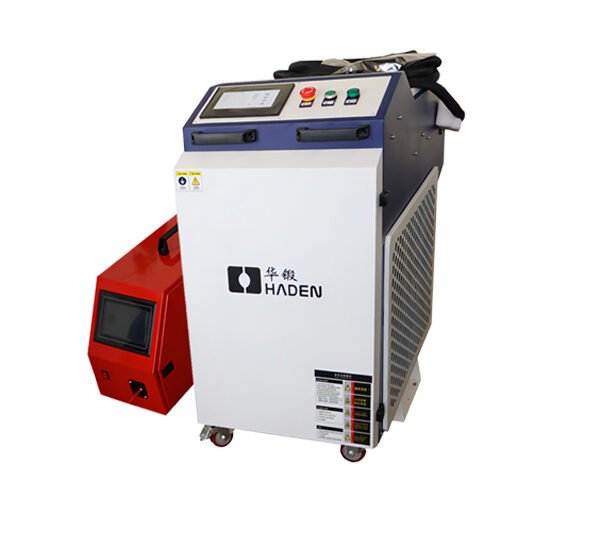
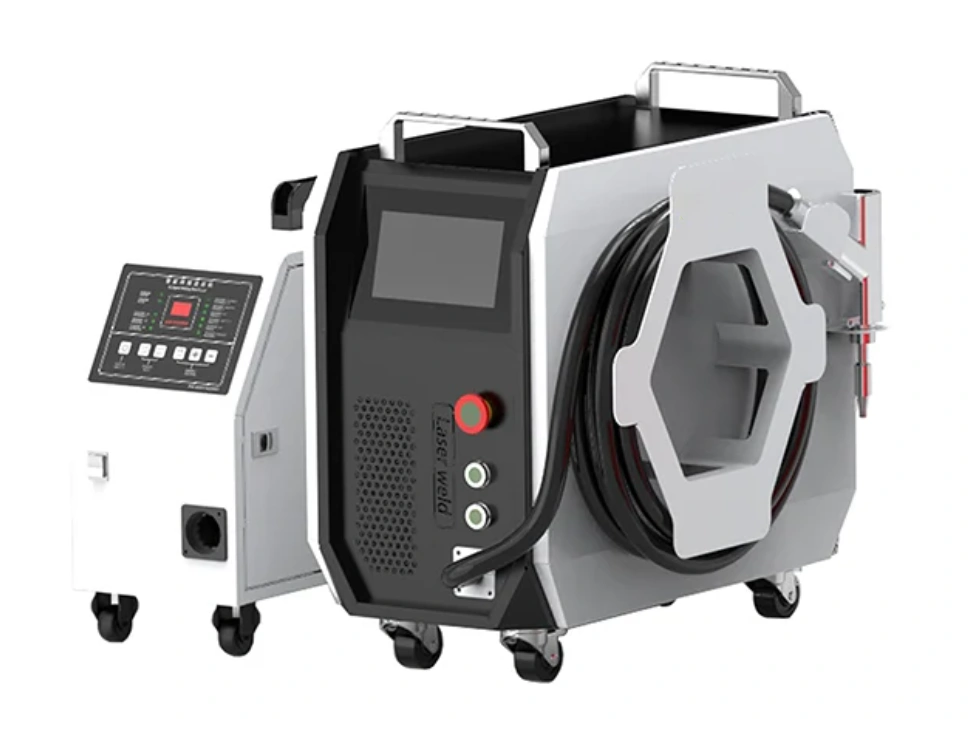
3-in-1 Laser System

Versatile Functionality
Easily switch between cutting, welding, and cleaning by changing the nozzle and adjusting system settings. This all-in-one system adapts to various tasks with minimal effort.
Wide Application
Capable of welding a range of metal materials, including stainless steel, iron, galvanized steel, and aluminum, making it suitable for diverse projects.
User-Friendly Operation
Simple to use with no prior experience required—get started immediately with straightforward controls and intuitive setup.

Fiber Laser Welding Machine Types​

  • Air-Cooled Fiber Laser Welding Machine

    • Cooling Method: Uses air circulation to dissipate heat.
    • Common Power Ratings: Typically available in 500W to 1.5kW.
    • Welding Thickness: Suitable for welding metal sheets up to 3mm thick, ideal for thinner materials and lighter welding tasks.
  • Water-Cooled Fiber Laser Welding Machine

    • Cooling Method: Uses a water cooling system to handle higher heat levels.
    • Common Power Ratings: Typically available in 1kW to 3kW and above.
    • Welding Thickness: Capable of welding thicker materials, up to 8mm or more, making it ideal for heavy-duty industrial applications.

Introduction to Laser Welding

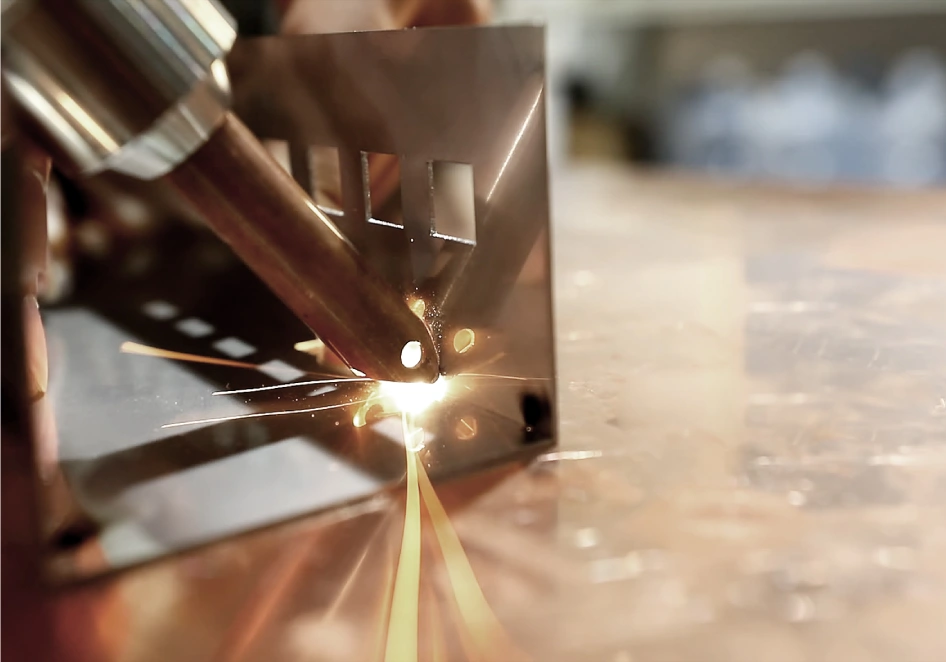
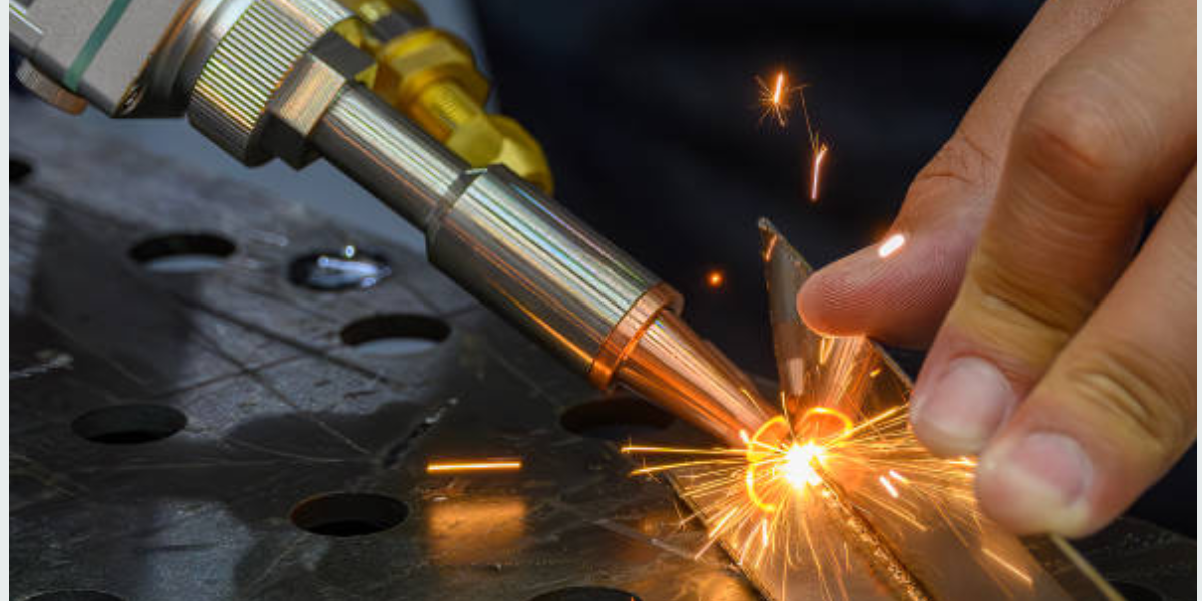
Laser welding is a high-efficiency precision method that uses a high-energy density laser beam as the heat source. It’s a significant aspect of laser material processing technology.

Historical Development

In the 1970s, laser welding was mainly used for thin materials and low-speed applications. The process is thermal conduction-based, where the laser heats the surface of the workpiece, and the heat then conducts inward to melt the material, forming a weld pool.

Welding Techniques

Laser welding can be executed with continuous or pulsed laser beams. It can be categorized into two main types:

  • Thermal Conduction Welding: For power densities less than 10^4 to 10^5 W/cm². This technique results in shallow weld depths and slower speeds.

  • Deep Penetration Welding: For power densities greater than 10^5 to 10^7 W/cm². This method creates deep welds with high speed and a large depth-to-width ratio, as the metal surface forms “holes” under the laser’s heat.

Applications and Advantages

Laser welding is especially effective for the precision welding of micro and small components, offering unique advantages in terms of speed and accuracy.

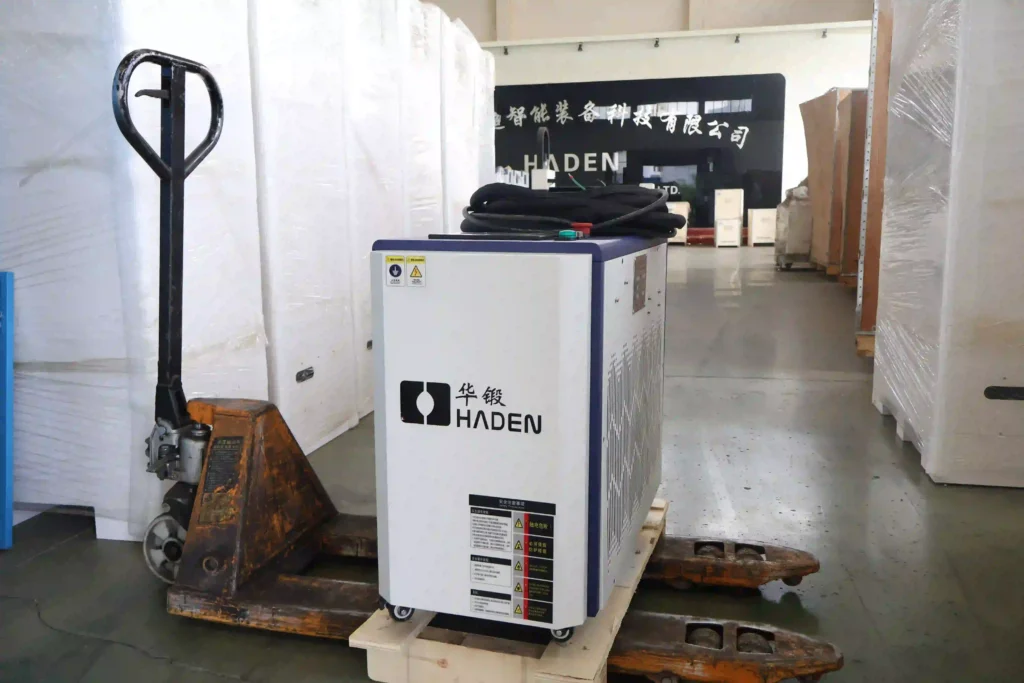
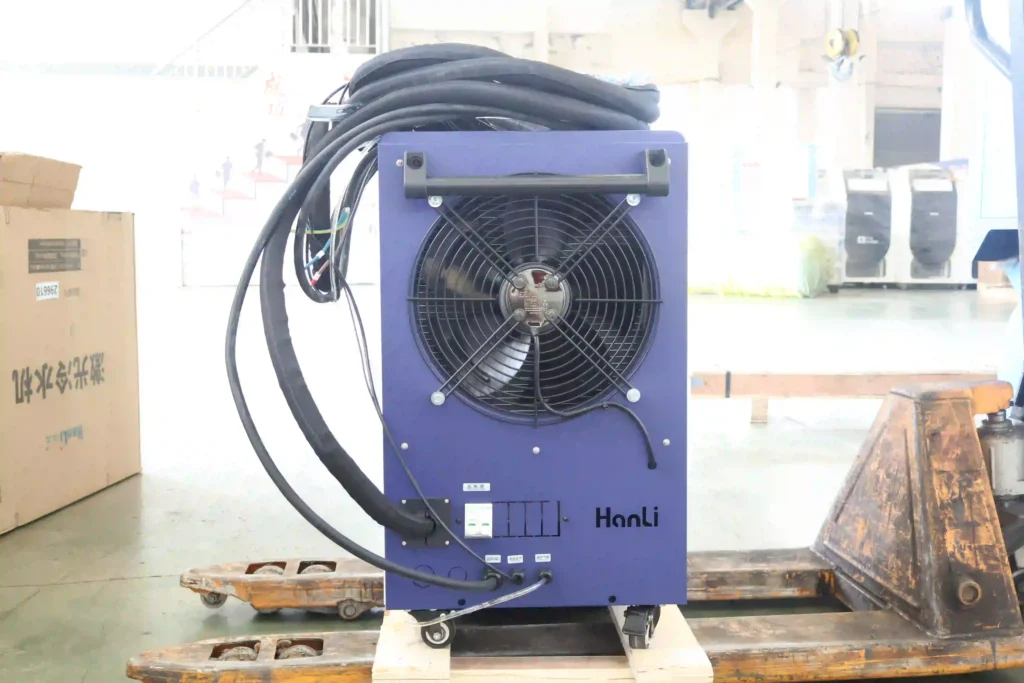
Fiber laser welding machine for metal

136fb8f6880e78db9b29bb1f39237d0(1)_结果
347fd19630c4c48959f747468971b17(1)_结果